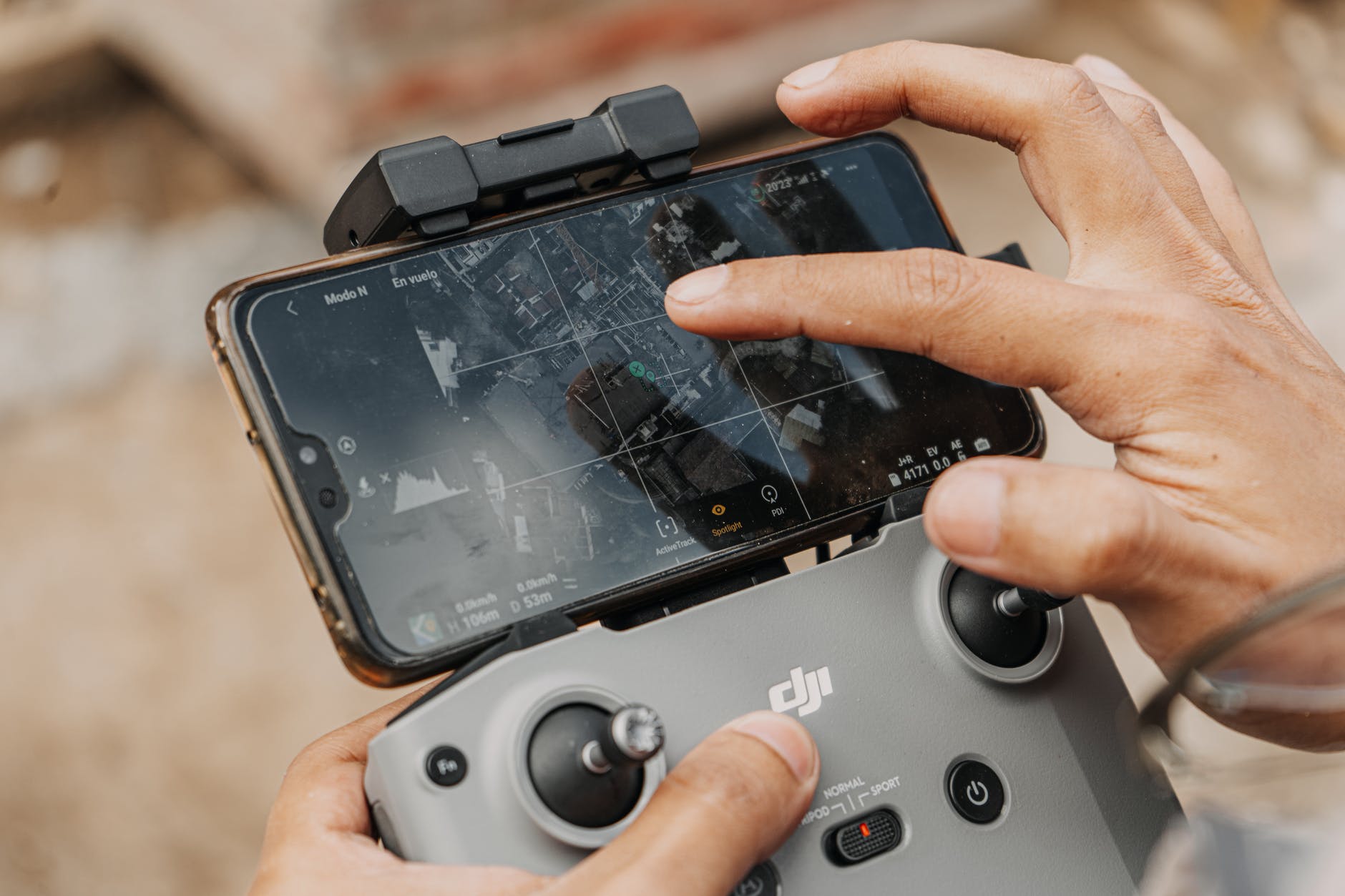
The Role of Drones in Precision Agriculture

With the world supply at an all-time high and commodity prices at an all-time low as a result of increasing demands in food production and consumption, the modern farming industry is at a crossroads. There is a greater need than ever before for farmers and agronomists across the globe to improve resource management in response to tightening budgets, while the “farm to fork” movement has seen rising pressure for enhanced product traceability, as consumers become more interested in the origin of the goods they purchase and how they were grown.

Furthermore, climate change continues to create new layers of complexity for the agriculture industry in protecting the security of the supply chain. Rapidly evolving environmental conditions further exacerbate these challenges, and the latest figures show that the overall loss to agriculture across Europe from climate change could be as high as 16% by 2050. Indeed, optimizing sustainability credentials to minimize the impact on the health and well-being of the public and the planet will remain a priority, particularly as enhanced sustainability measures could also provide additional economic benefits by enabling agriculture professionals to focus their resources and efforts more effectively.

A landmark report published by the Intergovernmental Panel on Climate Change (IPCC) states that sustainable land management could be key to reversing the impact of climate change on land degradation – a significant consequence of human and agricultural activity and extreme weather conditions, in which the quality of land and soil is polluted or degraded. The report claims that this could provide “cost-effective, immediate and long-term benefits”.  With this in mind, it is crucial that farms change how they operate to not only mitigate the effects of climate change, but to protect themselves against economic loss.

The Rise of Precision Agriculture

To balance feeding the planet with reducing global emissions, ambitious plans have been put in place. The U.K.’s National Farmers’ Union (NFU), for example, has outlined its goal of making British agriculture carbon neutral by 2040, with the introduction of a range of measures to improve land management, increase farming efficiencies, and boost the wider bioeconomy. Although there is no single answer to the problem, the NFU has advocated working “smarter” to cut direct pollution from farming, by delivering the same value with fewer emissions.

Precision agriculture practices, which can help farmers make better informed decisions, have evolved significantly over recent years, with the global market now estimated to reach $43.4 billion by 2025. While drones, also known as unmanned aerial vehicles (UAVs), have not yet made it into the mainstream agriculture space, they are playing an increasingly important role in precision farming, helping agriculture professionals lead the way with sustainable farming practices, while also protecting and increasing profitability.

The use of global positioning system (GPS) technology, together with geographic information system (GIS) tools, form a large part of these precision agriculture practices allowing fine-scale monitoring and mapping of yield and crop parameter data within fields. These provide more intense and efficient cultivation methods, which can help farmers adjust fertilizer prescriptions or identify crop diseases before they become widespread. With more data at their fingertips, farmers can make decisions based on economic and environmental factors – for example, by optimizing fertilizer treatment and applying only the right amount at the right time, significant cost and environmental savings can be made.

The Adoption of Drones

The use of drones in the agriculture industry is steadily growing as part of an effective approach to sustainable agricultural management that allows agronomists, agricultural engineers, and farmers to help streamline their operations, using robust data analytics to gain effective insights into their crops. Crop monitoring, for example, is made easier by using drone data to accurately plan and make ongoing improvements, such as the use of ditches and evolving fertilizer applications. Products can be accurately traced from farm to fork using GPS locations for every point in the journey, rather than more traditional time and labor-intensive data collection.

UAVs are particularly useful for the careful monitoring of large areas of farmland, considering factors such as slope and elevation, for example, to identify the most suitable seeding prescriptions. The technology has also proven useful in gaining an extensive overview of plant emergence and population, as more accurate data can help with replanting decisions, as well as thinning and pruning activity and the improvement of crop models.

Crucially, the high-resolution nature of drone data can be used to assess the fertility of crops, allowing agricultural professionals to more accurately apply fertilizer, reduce wastage, and plan – and troubleshoot – irrigation systems. The technology can also be particularly effective following natural disasters, such as a flood, to help farmers to assess damage across terrains that may not be readily accessible on foot.

Taking Drones Further

The potential for UAVs in the improvement of sustainable agriculture is huge. Already the agriculture drone market is predicted to be worth US$32.4 billion – an indication that the industry is beginning to recognize the benefits over more traditional methods, such as ground mapping.

Given the extensive terrain that requires surveying, drones offer increased efficiency, allowing users to capture high-resolution imagery more quickly than alternative methods. Particularly in these volatile market conditions, estimating annual yield can help guide decision-making and manage expectations. In addition, UAVs are now seen as a safer option for mapping difficult areas, such as uneven or expansive fields, that can be hazardous for operators – particularly compared to terrestrial techniques, which must be carried out on-foot.

Where satellites and manned aircrafts have traditionally been used to monitor agriculture, UAVs are quickly becoming recognized as a more accurate and cost-effective replacement. Studies have shown that drone imagery provides a higher rate of accuracy and resolution – even on cloudy days. While using traditional terrestrial approaches to collect data in challenging weather conditions could potentially delay projects for days, accurate crop health assessments can be made throughout the year using UAVs.


The cameras on satellites and manned aircrafts have also historically been insufficient to map fields clearly, making it impossible to gain an exact picture of plants. In contrast, UAV technology provides users with an accurate picture of the different plant parts – even allowing the early identification of pests and diseases. Historically, processing these high-quality images took longer than ground mapping and satellite methods, however thanks to new software solutions, the processing time has been reduced to only a few minutes. This means it can be carried out while still in the field, allowing evidence-based decisions to be made immediately and data to be directly inputted into precision farming equipment, considerably speeding up the process.

Key Considerations

Once farmers have decided to employ drones in agricultural management, there are several factors to consider before investment. Rotary drones and fixed-wing drones are two types of UAVs that each bring distinct advantages. A rotary system, such as a quadcopter or multicopter, is ideal for mapping and inspecting small areas, thanks to its ability to take high resolution imagery at closer range, using mm per pixel. The take-off and landing area can also be very small, which suits more urban areas. In contrast, a fixed-wing drone is often more suitable and beneficial for agricultural applications, where mapped areas are usually large and take-off and landing space is not limited. Its endurance and high cruising speed allows a greater area of land to be mapped up to 2.6x faster, with an object resolution of cm/inch per pixel, and users also benefit from its ability to withstand high wind resistance – an important factor when mapping large areas of open land – as well as reduced labor costs.

In addition to the choice of device, agricultural professionals must also consider the benefits of using a third party to assist with flying the drones, or whether it is more beneficial to train a team in-house. Companies are increasingly opting to use drones in-house, due to the long-term cost benefits and potential return-on-investment. Advances in technology now means that UAVs can also be seamlessly integrated with existing farm management information systems (FMIS), to reduce time spent planning and in the field. Helping to streamline workflows further, partnerships between hardware and software manufacturers can also support agricultural professionals with the processing and analysis following data collection – all in one system.

This allows agricultural professionals to fly the drone and process the images using accompanying software, before exporting the data directly to an application map for use on farming equipment, such as sprayers. These measures enable precision application and ensure less wastage of materials, which can help save costs. Linking the farmer, drone maker, software, ag service provider, and agronomist together, this level of seamless integration enables a complete drone to tractor workflow – leading the way in intelligent agriculture and optimizing farm management methods.

It is also crucial for operators to keep up to date with regulations, such as controlled airspaces around airports and individuals’ privacy. Legislation is continuously evolving and is not currently harmonized across the world. Since regulations vary substantially between regions, having the right team in place can help drone operators in the agriculture industry choose a compliant model, ensure they have the correct certification and fly according to the latest guidance and safety and regulatory standards.

Flying High

With rising emissions from agriculture an increasing problem, changes in farming need to be made to help mitigate climate change and protect against future environmental impact. Agricultural mapping with drones has become more accessible, allowing operators to gain crucial insights into the health of crops and plan accordingly. Not only does the technology have a positive environmental impact, but it can also result in significant cost savings for farmers and agricultural professionals in the long-term. Drones have become an efficient way to quickly and easily map difficult terrain – particularly compared to more traditional methods of mapping, such as manned aircrafts and satellites. This is helping agriculture become a data-driven industry. T

The future for drone technology in improving sustainability is promising. The next step will be the use of artificial intelligence (AI) to automatically analyze the resulting data. Not only would this encourage more efficient operations but enabling more frequent health assessments would also help improve sustainability throughout the industry.

Case Study: Reducing Herbicide Use in Brazil

Drones have been used to help reduce herbicide use by 52% in a Brazilian soybean field. With a flight time of up to 90 minutes, the senseFly eBee X allows up to 500 hectares (1,200 acres) to be mapped, providing high quality images of fields. Accurate images of the landscape were processed and analyzed using Pix 4D Fields to automatically detect areas with weed infestation. The team quickly and efficiently gained access to the results and classification of weed infestation level within hours, with detailed accounts of weed thresholds. The results generated by the fleet of eBee X fixed-wing drones using Pix 4D Fields processing technology helped to generate herbicide application maps that saved, on average, 52% of herbicides for farmers in the 2018/19 season in Brazil.

How Brand Management Grows Business!

Are you wanting to launch your brand but have no idea where to start? Your brand is a lot more than just your product — it’s an expansion of you. From your brand’s core values to every customer and client, this is all a part of the bigger picture. 

Good brand management can make or break your business. It helps to get you off on the right foot. Digital marketing is also going to be key for your brand management strategy, but don’t worry. We’ll walk you through it!

What Is Brand Management?

Brand management can be broken down to mean, “a branding component that involves maintaining and bettering products, services, and brand perception. Brand management, when practiced correctly, gives cost leverage, increases customer loyalty, and establishes meaningful brand awareness. It also embodies the customer purchasing process relationship.”

Simply put, you want to implement solid brand management for your business to keep customers happy and boost your brand’s perception. Maintaining a positive image will help to cultivate positive relationships, thus allowing your brand to thrive. 

How Brand Management Works

Think of brand management as a garden. You plant your seed (your brand) in your garden, hoping for the ripest vegetables of your dreams. 

You’ve taken that first step, but now you must figure out exactly how to water your seeds to ensure they’ll grow and flourish into beautiful plants. How much water is too much? Does the soil need to be replaced? What about sunlight? These small factors are your brand (the vegetable plants) management that will lead to your eventual success. 

You can have the greatest product in the world, but with ineffective brand management, no one will have the chance to experience it. This is what makes your management strategy so important. Essentially, brand management works by ensuring that your product or service resonates with its potential customer — it is the rug that ties the room together — happy customer, happy life.

Principles of Brand Management

The principles of brand management are important to understand before moving forward in the process. Now that you know how brand management works, next are the key principles to get it to work.

Brand management principles to consider include: 

Brand Equity 

Your brand’s reputation is key. You want customers to trust the brand, so they’ll buy more or recommend it to a friend. Your brand name should be recognized in a positive manner, drawing people in.

Brand Loyalty

Brand loyalty is similar to brand equity when customers buy your product solely out of loyalty to you. This helps with word-of-mouth advertising and reputation to keep folks coming back.

Brand Recognition

Brand recognition can be self-explanatory but is still a key factor for the success of your business. You want your brand to be recognized by more and more people in a positive light to attract more business. They won’t even have to know your brand name and can still recognize your product.

Brand Management Strategies

Now it’s time for some strategies to get you started on your brand management journey.

Digital Marketing Specialist Master’s Program

Digital Marketing Specialist Master's Program

Do More, Be Unique

Do you have a unique, eye-catching angle on what it is you’re selling? What sets your product apart from the competition? Why should people want to buy your product?

Focus on your why. Remember why you loved your brand in the first place, and whatever that feeling is, use it to help with your branding.

Evaluate

Do you have an evaluation plan? Evaluate what performs well and what doesn’t. Be prepared to do this again and again over the lifespan of your business.

When something works, do more of it. If something doesn’t, reevaluate how you can make it better. The key to branding is to continue evolving.

Digital Marketing

Digital Marketing is the key to the future. There are so many things to consider when starting a brand and having a digital marketing component is one of them. From amazing visuals to social media strategy, digital marketing covers it all.

It may be worth it to invest in a graphic designer and social media manager. Humans (and especially those who shop) are inherently visual, so having a great design is imperative for good branding. 

Likewise, with digital marketing, everything is online these days. This is where your brand messaging will come to play as well, as you can really highlight what you want your brand to say and be. If your business is not online, you’re virtually invisible.

Brand Management Benefits

Now that you have an idea of what brand management is and why it’s important, here are some of the benefits you can expect to see:

  • Grows business
  • Cultivates customer loyalty
  • Creates brand awareness and recognition
  • Increases pricing and value of the product
  • Grows sales through loyal customers

Why wouldn’t you want to incorporate brand management into your business strategy? Branding is what makes or breaks a lot of products and services. 

If you want to become a household name, there are many benefits to doing so through brand management.

Thermal Imaging on Drones and Its Benefits

19th UAS Precision

Thermal imaging or thermography is a technique in which thermographic cameras are used for detecting the radiation present in the range of infrared rays. Radiation that has a wavelength ranging between nine and fourteen micrometers is identified by the thermographic cameras.

Drones or unmanned aerial vehicles are aircraft that are not operated by onboard pilots and are controlled by automatic devices or pilots on the ground. They are used for a number of purposes and missions.

Combining thermal imaging and drones results in an extraordinary and extremely useful technique known as thermal imaging on drones.

What is meant by Thermal Imaging on Drones?

Thermal imaging on drones refers to the incorporation of thermographic cameras inside drones. Thermographic cameras are installed inside the unmanned aircraft and these aircraft are then used for different tasks.

These drones are then launched and sent to the area that needs to be examined using thermography. The minute thermographic cameras in the drones come in action; they begin analyzing the area under study. The thermograms produced by these cameras are recorded and can be viewed by the person controlling the drone. He can easily identify the object he is interested in by seeing the radiation emitted by that body. As the temperature of a certain object rises, it emits more radiation. By analyzing the radiations and the color produced by them, the controller is able to locate the entity he seeks.

What are the Benefits of Thermal Imaging on Drones?

Thermographic cameras in drones have several benefits. Firstly, this technique helps in examining inaccessible areas. Lots of areas cannot be accessed by people or other objects. On the other hand, drones can easily enter areas of minute sizes because of their small size. This makes it quite convenient for different people or companies to get thermal images of complicated areas.

Secondly, before the creation of this technique, sky workers holding thermographic equipment or thermographic cameras on tripod stands were used to examine an area thermographically. Both these methods were laborious as well as inconvenient. As drones can easily become airborne and can stay in the air for as long as forty hours, this technique is extremely effective.

Thirdly, thermal imaging on drones helps in saving time. You can use UAVs at any time of the day you want and can get results very quickly. This saves a lot of time that can otherwise be utilized for completing other important tasks related to a mission.

Fourthly, this technique helps in saving funds as well. You don’t need to hire people or install a thermographic camera at several points of high altitude for examining an area. With the help of a thermographic camera in a single drone, you can survey and get thermographic images of an area from a variety of different points quite easily. This makes this technique cost-effective and extremely easy.

As thermal imaging on drones offers all these benefits, it is becoming quite common. Individuals, multinationals, government agencies, and military organizations are using this method for carrying out numerous important projects.

Here’s Why Having a Digital Presence Is Important for Businesses

It’s challenging to make it big in business, especially when there is such stiff competition in this digital age. Marketing strategies and tactics can differ from business to business. Big businesses can spend huge amounts on broadcast and print-based advertising, and conduct massive promotion campaigns because they have enough capital. Small businesses, on the other hand, have limited resources, so there are fewer options for flyers, calling cards, or brochures. However, the invention of the internet has changed the playing field drastically. It provides similar opportunities for marketing to every type of business. Internet marketing is not only affordable but is also a very effective form of marketing for most businesses. That’s why more and more businesses are focusing on having a strong online presence.

Setting up a business website is a vital step to bring your presence online. This will serve as an online portal where you can showcase your products or services, in addition, to communicate relevant information to your potential customers. A domain name is probably the first thing that will help your customers identify who you are and what your business is about. Therefore, you need to choose an appropriate domain name for your website that can convey your business in a way that’s straight to the point and easy to remember.

Here are a few tips to consider when choosing a domain name for your website:

  • Align your domain name with your business. If you have already chosen a business name, your domain name should be similar. This way, you can actually make it easy for your customers to remember you and your website.
  • Choose an easy name for your website domain that allows users to easily find you online.
  • A domain name should be short and simple.
  • Try not to use hyphens and numbers for your domain name. Unfortunately, it’s a common mistake, which is most likely to hinder people from finding your website.
  • Another important aspect when picking the right domain name is to make it memorable. Select a domain name that can stick in people’s mind, so that they can easily access your website.
  • If you like a domain name which is available, act now before it’s taken.

Why Digital Presence Is Important

No matter what your business is about, if you lack an online presence, you might get plunged into obscurity. Most people tend to use Google or other search engines to find information about a business or company. If they aren’t able to find anything about your business online, it can seriously impact your credibility and market reputation. Indeed, businesses need to build an online presence in order to boost their advertising, productivity, and sales.

Here is how an online presence can be very advantageous to businesses.

Easy Access

Being online helps your customers easily access you and your products or services. Similarly, it allows businesses to get to their target audience. A business’s online presence has changed the landscape of consumerism, as most customers now prefer buying from companies or brands that they have found online.

Establish Your Brand

A business needs to catch the eyes of its prospective customers in order to sell its services or products. However, there is no credibility of your business if it has no distinct image. Your brand needs a platform to set itself apart and become appealing to customers. Today, websites and social media are being used as the most potent marketing tools that help sell products or services to countless people. Most importantly, it’s cost-effective and doesn’t require heavy investments like traditional ways of marketing. With an online presence, you can establish an identity for your business, that can easily stand out.

Reach to a Larger Audience

The internet has brought everyone closer. This feature also serves as the best way to promote your products and services. With a digital presence, you can showcase your products to a larger audience and convert your leads into customers.

Virtual Office

Your website can become a virtual office for your company and work as a venue where your customers can visit, purchase products or services, and get feedback. Unlike the physical world market, online presence has no limit of geographical boundaries, which helps the business sell their brand anywhere in the world.

Beat Traditional Ways of Marketing

Digital presence can help businesses harmonize old ways of marketing and promotions. Provided that the digital platform is rapidly dominating the most sought-after information media, there is a likelihood of this medium to become the most effective promotion strategy for lost businesses if used effectively.

All You Need to Know About Drone Surveying

Drones are continually proving to be powerful commercial tools, simultaneously providing adopters with leaps in efficiency and safety. The surveying and mapping industry is no exception.

With their ability to capture data from above, drones have been successfully integrated into surveying workflows to perform land surveys, photogrammetry, 3D mapping, topographic surveying, and more.

Whether you’re an experienced surveyor looking to expand your toolkit, or you’re a drone enthusiast who wants to know more ways to use their drone, or you’re just generally interested in this awesome application of drones, we’ve put together an article to help you learn everything you need to know when it comes to getting started with drone surveying.

DJI P4 RTKPhantom 4 RTK, an aerial surveying drone

What is a drone survey?

Surveying is the precise science of determining the positions of, and the distances between, points in 2D and 3D space. There is a big difference between aerial photography and surveying

Surveys provide critical information that enables informed decision making ranging from construction site planning, to design and upkeep of infrastructure, to delineating cadastral property boundaries, and more.

A drone survey is simply a survey conducted from overhead using a drone.

Drone photogrammetry flight planningDrone photogrammetry

Why is using drones for surveying superior compared to traditional methods?

Unmanned Aerial Vehicles, or UAVs, excel at rapidly acquiring data from vantage points inaccessible to humans.

When surveying challenging terrain, drones make it no longer necessary for human operators to physically access and measure points in hazardous or difficult-to-reach locations.

Additionally, while traditional surveying methods require meticulous measurement, preparation, and planning, drones can capture comparable data in dramatically shorter timeframes.

For example, STRABAG, a leading Austrian construction company estimates drones enable them to conduct surveys with 75% reduced GCP set-up time. Click here to learn more about STRABAG’s gains in efficiency.

In sum, drone surveying produces quality results quickly, profitably, and safely.

What kinds of deliverables can you achieve with drone surveying?

Depending on your choice of data sensors and surveying software, drone surveying can produce a variety of deliverables with use cases in many industries.2D Orthomosaic Map

Surveying software can stitch together hundreds or thousands of digital photos captured by your drone, and produce high quality 2D

Orthomosaic maps3D Orthomosaic MapLarge numbers of digital photos of your surveying site can be compiled into a 3D orthomosaic map and can provide actionable topographic data

3D Model

Generate 3D models of targets in your surveying site for quick comparison with BIM

Thermal

Survey with a thermal camera and quickly identify targets with abnormal heat signatures

LiDAR

Equip your drone with a LiDAR camera to produce a high-density point cloud. To learn more about drone LiDAR, click here 

MultispectralCapture multispectral data from beyond the visible light spectrum to give insight into agriculture and crop management 

Drones and BIM

In construction and project management, drone surveying can provide critical data that goes hand in hand with Building Information Modeling (BIM).

At each stage of the construction process, high-resolution 3D photogrammetric or laser models captured by drones can be overlaid on and compared with pre-planned BIM objects. This allows for discrepancies between plans and reality to be identified.

BIM

Overlaying BIM Models on an 3D Orthomosaic map

Early detection of these issues can reduce construction error, omission, and re-work, and this project oversight has made drones an essential part of modern construction. 

How accurate are drone surveys?

Before adopting drones into their workflows, many surveyors ask about aerial surveying accuracy. What degree of accuracy can drone surveying techniques achieve?

Surveying drone solutions can produce surveys with different degrees of accuracy, depending on the requirements of the project.

In an independent study by DroneDeploy, the DJI Phantom 4 RTK achieved 2 cm relative vertical accuracy and 1.20 cm relative horizontal accuracy.

For some applications, like checking crop growth, or construction progress, high relative accuracy is sufficient. For other jobs that also require high absolute accuracy, there are drones equipped with real-time kinematics (RTK) and post-processing kinematics (PPK) capabilities. When paired with a few GCPs, survey-level accuracy can be achieved. 

What does a typical drone surveying workflow look like?

Here is a graphic of how drones are typically integrated into your surveying workflows: Different drone solutions and drone-assisted workflows can offer different degrees of accuracy. When selecting your surveying drone, it is important to recognize your demands, the demands of your clients, and the tradeoff between speed and accuracy.

Data Collection Workflow
Data Processing Workflow

DJI’s drone surveying solutions

With all the benefits drones bring, and with so many surveying drone options to choose from, it raises the question, which is the best drone for surveying?

The answer ultimately lies with your priorities. Surveying accuracy requirements, data sensors, and cost should all come into consideration. Click here for more detail on the best UAV surveying and mapping solutions.

Thank you for reading!

12 Reasons Why You Should Hire A Professional Web Designer

Nowadays, people depend a lot on the internet. They seek any sort of information on the internet through search engines. A website is not only a source of information but also a marketing platform for the organization. The first impression is the last impression, works in case of websites too. So having a best-designed website is highly important. Whether it is a business, an NGO, or an individual website, it benefits everyone. The best website comprises SEO friendly, attractive, quick & ease of use. Such a website helps to fetch more & more traffic.

There are website builders that offer a platform for people to build their own sites. But, it doesn’t offer the full range of services as a professional web design company. So, you need a separate platform for graphic design, SEO writing, & content marketing. Here follow the reasons to hire a professional web designer.

Reasons Why You Need a Professional Web Designer

1. High-Quality Work

This is the most important reason to hire an expert web designer. A professional web design company delivers high-quality work. The expert team members have mastery in web designing. They are very well aware & responsive to current market trends & new technologies. It eases them to design webs according to Modern trends.

2. Customized & Unique Design

An expert designer has solutions to your every need. They have the ability to build a customized website judging customer needs. A customized website differentiates itself from pre-designed templates. The web designing platforms may have templates, but the uniqueness is not assured. It’s like feeling in the skeletons. Whereas, the experts assure you of the uniqueness in content placement.

3. Planning Online Strategy

A professional web designer can create a solid strategic plan for your website. They will design your website by keeping your business model & future goals in mind. They lay a solid strategic foundation for your web to ensure its success.

4. Making Brand Perception

Brand perception is yet another important factor that helps you grow. The designers have the ability to create that perception to strengthen your brand. Professional web design helps you improve your status in the industry. It also makes you look serious.

5. Get Full-Time Support

The professional web designer will provide you 24×7 supports. Their team is always ready to assist you whenever needed. Whether it is bug fixing or updating the web pages, they are accessible to you at any hour. Being specialists they can solve your technical issues & queries easily. They ensure that your query is fully resolved. And follow up until you are completely satisfied. So you can count on them.

6. Making Website User-Friendly

It is a need of every website. The users feel comfortable while using such websites. There should have user-friendly content on web pages, as well as ease of use. It directly impacts user engagement with the website. The users are likely to visit your website more often. This results in buying your product or services frequently.

7. Getting Ahead in Competition

In this competitive world being one step ahead is always beneficial. A professionally designed website gives confidence to visitors. Having a fresh & modern website helps you stay ahead in the competition. The web designing expert can deliver extra features to your website.

8. Building SEO-Friendly Website

A website that tops in search engine results gets more traffic. An SEO-friendly website gets found easily search engines. One needs to follow SEO techniques & practices to stay on top of the search engine results. And only an SEO-friendly website allows you to perform all practices & techniques. Hence, a professional web designer is essential. They design web pages that help to perform all SEO techniques. This increases your web page visibility in search engines.

9. Keeping Website Updated

A website needs to be regularly updated to keep it trendy. Updating the website means to not only update the content but also the structure. You may able to update the content, especially using web builder platforms. But re-structuring website & web pages is not a child’s play. Sometimes the entire website needs a fresh look to keep-up in the race. A professional web designer is a must in such cases.

10. Build a Responsive Website

Following the current trend, a responsive website is the modern world’s need. The Internet has become handy & users tend to access webs through mobile phones. Having a responsive website is like halfway across to reach-out to your customer. A website designed by expert web designer performs well on all screen resolutions. Also, run perfectly on all platforms.

11. Fast Loading Webs

The website loading time is the most important factor in fetching online traffic. The websites that load fast receives more traffic. Slower websites are frustrating & make users leave the website. It is also true that people won’t return to such websites. There are various factors that affect website loading time. Only a skilled & an experienced web designer can provide a solution to this.

12. Time-Saving

Hiring a web designer means saving you valuable time. You can design your own websites through web building platforms. These platforms have ready templates & various tools. There are tutorials available on how to build a website. But learning through tutorials is time-consuming, yet no guarantee of perfection. So you end up wasting your productive time. So it is best to outsource it to web designing professionals.

These are some of the main reasons to hire skilled designers. Budget & offerings play a vital role in choosing a designer. The highly professional designers may charge you heavily. But they are also able to guarantee you the best output. But charging high doesn’t mean that they are experts. You need to make sure that they are well experienced to handle your website. You also need to cross-check their market credibility before finalizing. So choose your designer wisely.

THE BENEFITS OF DRONES TO THE AGRICULTURAL INDUSTRY

Article originally shared from Drone USA*

While drones have been used in private industries for decades, their commercial applications continue to expand as quickly as innovators can come up with new ideas. As drones become more prevalent in our society, much of this growth is attributed not only to declining costs of technology but also to  the adjustment of government restrictions on drone use. The agriculture industry, which continues to incorporate new and evolving technology, has found drones to be an indispensable tool for farmers around the world.

Drone technology is useful for a variety of applications, such as scouting out new field locations, providing quick and easy ways to remotely check small sections of crops, and surveying entire fields. Drones are helping farmers address several of the developing challenges in the industry. The use of drones can help to increase productivity, permitting for improved agricultural adaptation to the effects of climate change; they can also assist in the reduction of pollution.

Improved Productivity

One of the most promising and exciting benefits of agricultural drones is their ability to meet the demands of growing populations. Experts predict the world’s population will reach 9 billion by 2050. At the same time, agricultural consumption is projected to increase by nearly 70 percent. The needs of the ever-growing farming industry, combined with the difficulty that comes with monitoring so many crops, have created many obstacles that drone technology can help to overcome. Currently, farmers rely heavily on satellite imagery, which is the most sophisticated form of crop monitoring to date. There are, however, many limitations to this technology, and drones are quickly replacing satellites as the preferred tool for many jobs. Satellite images are not proactive enough and must be ordered in advance, farmers can only retrieve images once a day, and the images lack precision. These images are also extremely expensive, and the quality depends on variable factors like the weather.

Giving growers the ability to quickly and easily analyze entire fields at once has many advantages. Today, images from drones can indicate the development of a crop with precision and can locate underperforming areas, enabling better crop management. Drones can be outfitted with countless combinations of sensors to fit a farmer’s needs. Various sensors can also be used to pick out healthy plants from the unhealthy ones, while others simply compare color differences in crops which are undetectable to the human eye. Some sensors detect heat or moisture to determine crop health. Maps like this can help farmers greatly in pinpointing problem areas of a crop. All of this ultimately helps growers catch problems early and allows them to continue to improve the productivity of their crop.

Adaptation to Climate Change

Extreme weather is becoming an unfortunate reality for many farming operations. The effects of climate change are creating a growing list of obstacles to productivity, such as drought, flood, and damage caused by storms. As a result, agricultural producers are seeking out new strategies to improve production and increase efficiency – through the use of drone technology, farmers are successfully working towards sustainability.

Irrigation is the number one concern for farmers who are faced with longer and more dramatic droughts. Drones equipped with the right sensors can identify which parts of a field need more water. Farmers can use this real time information to make the proper adjustments to their fields and use their resources optimally and without waste. Additionally, the information gathered by the drones can help farmers perfect the level of water in the field to create peak growing conditions tailored to specific crops. When crops are damaged from storms and other unpredictable weather conditions, drones equipped with the right imaging equipment can be used to estimate crop loss. This helps to speed clean up and repairs while mitigating both risk and field maintenance costs for the farmer.

Reducing Pollution

Agricultural runoff from industrial fertilizer and pesticides is a major health concern. By checking on plant health and pinpointing troubled areas, drones produce valuable data that farmers can use to reduce chemical application by only administering chemicals in a very targeted manner. Drones can also be equipped with equipment that gives them the ability to scan the ground and spray the precise amount of chemicals at the perfect altitude needed for any application. This dramatically reduces the amount of chemicals used and virtually eliminates overspray. The ability of a drone to make real time adjustments greatly improves efficiency over outdated and haphazard crop dusting.

Remotely accessing fields can help detect bacterial or fungal infections early, and a rapid response to such infections can save an entire crop. The capability to react quickly allows farmers to apply and monitor remedies more precisely, ultimately increasing the crop’s ability to overcome the disease. All of this improves efficiency and reduces the number and quantity of chemicals released into the environment. In fact, experts estimate that aerial spraying via drones is five times more effective than traditional methods. The bottom line is that a drone’s precise application of chemicals saves money and helps the environment.

Drone technology is continuously evolving to meet industry needs. It’s possible that in the near future, farmers will be able to utilize autonomous systems that monitor and update all information in real time. From lowering farmers cost of production to improving efficiency, the economic advantages of drone technology are clear. One thing is certain: drones will rise to meet the numerous challenges facing the agriculture industry far into the future. They will undoubtedly be an integral part of the industry’s ability to grow, despite the effects of global warming, while simultaneously improving the environmental impact the agriculture industry has on the planet.

The Benefits of Hiring a Professional Graphic Designer

*Article source from Yadonia Group

Visually appealing and eye catching graphic design is a must for every business today. A distinct visual presence can help your business stand out in the crowd. A great l…

Visually appealing and eye catching graphic design is a must for every business today. A distinct visual presence can help your business stand out in the crowd. A great logo can go a long way towards providing a face for your business that your customers can relate to. In fact, go over a list of the leading businesses around the world and you will see that they invest heavily on graphic design. This is because customers today are savvier than ever. Professional graphics capture their attention and convince them that the business is reliable.

However, when it comes to designing graphics, it is important that you don’t go DIY. As a business owner or manager, you probably have enough on your plate without you having to become the de factor graphic designer. Therefore, the best option is to hire a professional to design the graphics for your business. You can enjoy numerous benefits by hiring a professional graphic designer. Here’s a look at the top 5:

1. Save Time

Since you don’t have to do much except sharing your ideas and selecting the designer, getting a professional to handle your graphics helps you save time. You can focus on the core areas of your business that really impact performance and growth rather than trying to come up with designs that you feel will appeal to your target audience. Plus, since graphic designers have the skills, experience and tools to do the job, they can complete the project quickly.

2. Cost-Effective

One reason businesses feel they should handle graphic design on their own is because of the cost involved. After all, when you hire a professional for the job, you will have to pay them for the work they do. However, what you may not realize is that hiring a professional will prove cost-effective in the long run. You can discuss with them the different ways in which you can keep costs down when it comes to marketing. Plus, you can specify the budget at the start of the project and not have to spend a dime more than that.

3. Competitive Edge

As mentioned, a professionally designed logo can help your business stand out in the crowd. You need to be distinct and unique to capture the attention of your target audience. This is simply not possible if your graphic designing project is handled by a novice or an inexperienced person. Therefore, you should hire a professional to gain a competitive edge.

4. Consistency

One of the key factors people look for in brand marketing and promotion is consistency. Your message has to be consistent and a professional graphic designer can help you achieve just that. From your logo to your website, the design should be cohesive and consistent throughout. Maintaining that same level of consistency without an experienced hand to guide you can be next to impossible.

5. The Professional Touch

Last, but not the least, professional graphic designers have several years of experience in the field. They bring all their knowledge and expertise to bear when working on your project. Sometimes, you might have the right ideas but don’t know how to bring them to life. In some cases, businesses have no idea about what their branding and graphics should look like. In either case, a professional graphic designer can make up for the shortcomings and deliver the results you expect, providing 100% satisfaction.

So, as you can see, there are numerous reasons why investing in professional graphic design is the right option for your business. If you want your business graphics to stand out, get an experienced graphic designer on board right away.

How Drones Are Changing the Business World

*Article sourced from Investopedia

As technology continues to grow and play a larger role in consumers’ lives, industries have transformed and adapted as well. Companies have moved away from brick and mortar to predominantly online services as a result of ubiquitous Internet access. In this shift, online companies reduce overhead costs, including rent and wages, associated with operating a physical store.

While online retailers are more convenient, purchases of goods and services are subject to additional shipping and handling charges incurred by the consumer. Even though technology has transformed a number of industries over the past 10 years, shipping and postage have remained relatively unchanged. Traditional postal service providers such as USPS, UPS (UPS), and FedEx (FDX) have remained the primary source of shipping and handling for major online retailers.

Recently, Amazon (AMZN) has challenged the status quo with Amazon Prime Air. Amazon Prime Air is a drone delivery system that anticipates package deliveries in 30 minutes or less1 . The program has not been executed as yet but is currently in development.

While the financial and economic impact of drones is robust, the Federal Aviation Administration’s (FAA) regulations in conjunction with privacy and safety concerns have delayed the launch of commercial drone services.2

Regulations

Amazon’s efforts to launch unmanned aerial delivery systems have been delayed as a result of FAA regulations. Currently, drones in the U.S. are sanctioned for military, research, and recreational use. Military drones are not subject to the same regulations as those used for research and recreation.

At the moment, unmanned aerial vehicles (UAV) in the U.S. are regulated up to a height of 400 feet of airspace in populated areas. Commercial use of drones has not been sanctioned by the FAA and is currently illegal. With concerns about air space and ground safety, the FAA is reluctant to provide licenses allowing companies to test drone services within the United States.3

Amazon’s inability to research aerial delivery within U.S. borders has led the ecommerce leader to test this new technology in the United Kingdom, with successful tests run in Cambridge, England, in 2016. In 2015, the FAA did provide Amazon with permission to test current models of drones, but by then Amazon had also been testing in Canada.

One of the main setbacks to drone use for commercial activity is the FAA’s rule requiring “line of sight.” This rule requires a drone operator to have the drone in their line of sight at all times, which defeats the purpose of using drones commercially, especially for deliveries.4

Economic Impact

Rapid technological innovation has provided consumers cutting-edge products at affordable prices. Traditionally, drones had been limited to military use due to high costs and technical sophistication. However, due to economies of scale, consumers can purchase drones for less than $100.

With widespread access, consumer companies such as Amazon have explored the use of unmanned aerial vehicles for commercial purposes. Amazon Prime Air has promised a 30-minute delivery service for packages of up to 5 lbs. Google (GOOG), in altruistic contrast to Amazon, has developed aerial drones for environmental conservation and delivery of medicine to remote locations.1

The environmental impact is also immense. Powered by batteries, drones are more environmentally friendly than delivery trucks. If delivery drones gain widespread usage, this would reduce the reliance on vehicles for many companies. This would have an adverse impact on automobile manufacturers, but the impact on the environment would be a boon and would help many countries reduce emissions, helping meet emissions targets set in various global agreements.

The economic implications of commercial drone use are undeniable. The market for drones is estimated to be $127 billion across a variety of industries. Notably, the commercial use of drones will predominantly affect agriculture and infrastructure more so than commerce. Due to the ability to cover large areas, drone use in agriculture is anticipated to effectively feed and hydrate plants while also limiting exposure to diseases. 

On a macroeconomic scale, the integration of UAVs could create more than 100,000 jobs. Over a 10-year span, job creation from commercial drone use will consist primarily of manufacturing jobs and drone operators. Likewise, states will benefit from tax windfalls, stemming from increased economic activity.5

The implications clearly have a positive impact on businesses and consumers. Consumers directly benefit from job creation, resulting in additional earnings. Commercial drones will also allow industries to realize savings from cost-effective means of inventory, transportation, and distribution. These cost savings can be passed down to the consumer through a reduction in prices.

Disadvantages

While the financial implications of drone use are robust, numerous consumers, states, and regulators believe sanctioned UAV use to be detrimental. 44 states have passed their own laws on drone usage for commercial, recreational, and public use. Widespread use of drones is anticipated to increase privacy concerns among citizens nervous about corporate and government data collection. Amazon drones utilize a camera and GPS to navigate delivery destinations, which many believe to be intrusive.

Furthermore, drone delivery services offered by Amazon and other companies will face logistical roadblocks. Traditional postal services maintain the liability of damaged or stolen property incurred in the delivery process. However, without human monitoring, a drone is unable to ensure seamless deliveries. Likewise, deliveries in major cities are bound to encounter numerous issues. Accessing apartment units within city skyscrapers is an insurmountable feat for an unmanned aerial vehicle.

Aside from logistical and privacy concerns, wildlife, such as birds, face higher risks with the greater number of aerial vehicles. The FAA estimates that birds cause more than $1 billion in damages to aircraft in the United States.6

The Bottom Line

Amazon’s continued efforts to test and research unmanned aerial vehicles have put pressure on Congress and the FAA to reform drone regulations. The integration of drones into national airspace will not only benefit ecommerce businesses like Amazon but industries such as agriculture, public safety, and natural disaster management, to name a few. In a more altruistic manner, Google anticipates the use of its drones for the delivery of medical products and as a means of protecting the environment.

The economic impacts associated with UAV integration consist of job creation and billion-dollar growth. Likewise, industries cut costs from more effective means of transportation and distribution. Even with the apparent disadvantages, it is estimated that every year integration is delayed, the U.S. loses $10 billion in financial growth.

THE BENEFITS OF ANIMATED LOGOS AND WHY YOUR BUSINESS NEEDS ONE

Every business needs a logo. They play a crucial role in your business by establishing a good first impression and creating a strong foundation for brand identity. Your logo not only helps people remember your brand, but it separates you from your competitors, builds trust, and honestly, it’s expected.

However, an animated logo is not something that’s expected, and that’s one of the biggest reasons why you need one.

Animated Logos Increase Brand Awareness

Like we said above, logos in general are an integral tool for promoting awareness of your brand. You can safely assume that if a static logo does this, an animated logo will do it even better. They’re memorable, recognizable, and versatile. It may take a few different interactions for consumers to have any brand recognition with a static logo, but you can count on an animated logo imprinting in someone’s mind almost immediately.

Animated Logos Make for Better Storytelling

Not only does an animated logo help you tell your company’s overall narrative, it becomes a flexible asset for video content., too. This narrative and the video content you produce help your audience make emotional connections to your brand, and if your brand has a strong story to tell, people are much more likely to relate to it.

Animated Logos Elevate Your Brand’s Presentation

We all know first impressions are important. Consumers want to do business with companies that appear professional and trustworthy. In more instances than not, one of the first things we consider when judging the standard of a company is how they present themselves, and in this determination, we look at the quality of their logo.

As consumers continue to transition to online video content over television, their expectations for websites and how companies present themselves change, too. When you choose to have a custom animated logo designed for your brand, you’re keeping up with current trends. When consumers see you meeting the demands of the market, you appear more professional to them.

Animated Logos Are Incredibly Versatile

You don’t need a video content library to utilize an animated logo. In fact, there are several ways to leverage an animated logo if you don’t have a backlog of videos:

  • Social media posts
  • Your website
  • Presentations
  • Online promotions

We strongly believe that if a company is serious about building a strong, memorable brand, that they have to invest in a logo. When you add animation to that logo, you’re taking things to the next level and putting yourself head and shoulders above your competitors. Here at Terrier Tenacity, we love creating animated logos that give our clients the edge they need. If you’re interested in how we can help, just reach out! We’re happy to provide our clients with no-obligation consultations.